
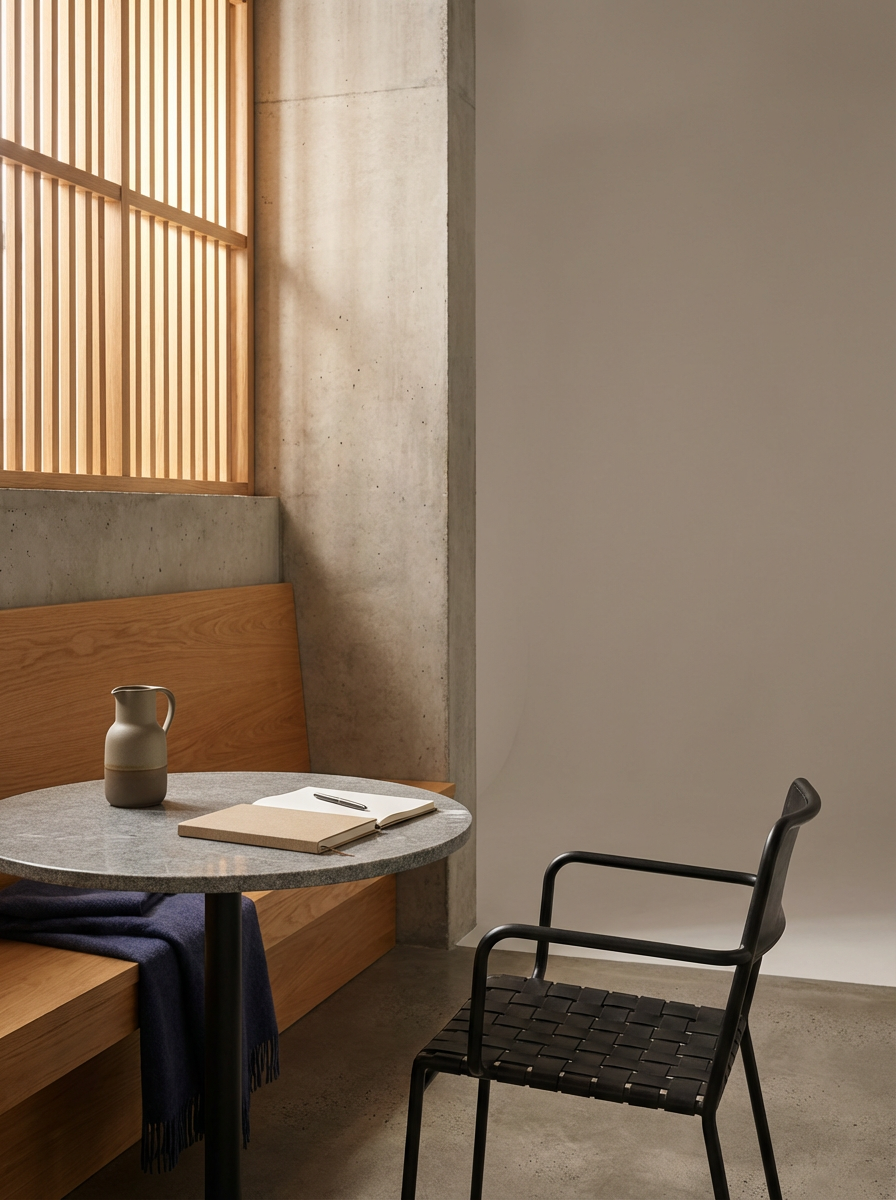
A garden is much more than merely a sum of parts
The Living Composition
We see it as a living composition: a relationship between people, spaces, structure and nature.
Every garden has its own character, opportunities and potential. Our approach is to understand these elements and bring them together to create an outdoor environment that feels considered, purposeful and alive.
We believe a rewarding garden should offer more than a single attractive view. It should provide places to gather, explore, relax and retreat, connected through a sense of flow and discovery.

Structure gives form. Nature gives life. Experience gives meaning.

Principles behind our work
Begin with the people who will inhabit the garden.
We take time to understand how you live, what you enjoy and how you would like to experience your outdoor space. Family life, entertaining, quiet moments, hobbies and changing routines all influence the way a garden can be arranged.
Our aim is to create spaces that have a genuine purpose in everyday life.
1 Design for life
Give the garden form, definition and purpose.
Timber structures, pathways, terraces, steps, walls and changes in level can provide the framework around which a garden develops.
We appreciate the character and warmth of natural materials, particularly timber, and the way carefully considered construction can sit comfortably within a landscape.
3 Work with structure
Consider how a garden feels, not just how it looks.
Light, shade, shelter, views, sound and movement all influence our experience of an outdoor space.
A sheltered seating area, a framed view through planting or a path that gradually reveals another part of the garden can create moments of enjoyment and discovery.
We want each area to have its own character while contributing to the experience of the whole garden.
5 create experience
Think beyond individual features. Consider the garden as a whole.
We look at how different areas relate to one another, how people move through the garden and what they experience along the way.
Garden rooms, pathways, framed views, transitions and carefully considered proportions can turn a single outdoor space into a sequence of distinct but connected places.
2 Compose the space
Bring softness, movement and life into the composition.
Planting is not simply decoration. Trees, shrubs, grasses and seasonal flowers influence the character, scale and atmosphere of a garden.
We consider texture, colour, form, growing conditions and how planting will develop over time, creating a relationship between the built elements and the natural landscape.
4 Work with nature
Design with growth, change and time in mind.
A garden is never completely static. Plants mature, timber develops its own character and the way people use their outdoor space can change.
We consider how a garden will develop beyond the day it is completed, taking account of plant maturity, maintenance, materials and the possibility of future improvements.
6 Allow use and evolution
First impression to lving landscape
-
![]()
1 Understand
We want to understand the homeowners, your aspirations, and how you’d like to use the garden.
-
![]()
2 Observe
We are observing the existing landscape, aspects, levels, slopes, soils, drainage, light, existing structures and planting, foundations, views and opportunities.
-
![]()
3 Envision
We imagine the spaces, relationships, atmosphere and overall composition of what could be.

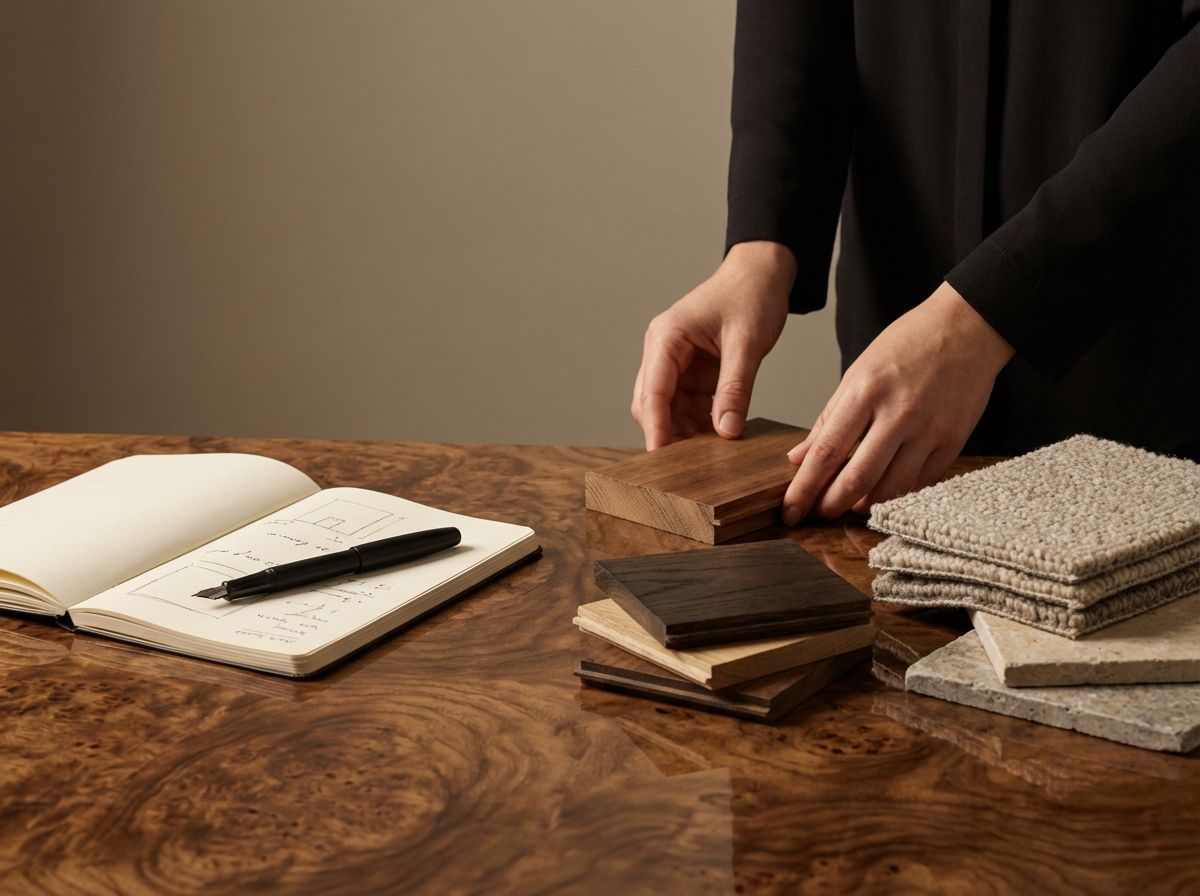

From vision to reality
Crafted by hand
considered as a whole